 Dream Mill Homes
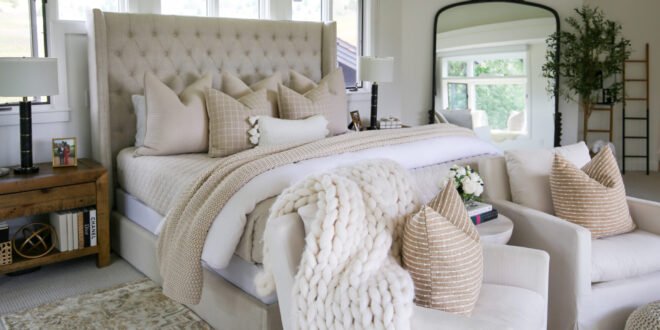
A bedroom should feel like a peaceful break from the outside world. The right neutral bedroom ideas can turn a plain space into a warm and comfortable retreat. By combining soft colours, natural materials, gentle lighting, and useful furniture, you can create a beautiful room that feels calm without looking cold, empty, or without personality.
What Is a Neutral Bedroom?
A neutral bedroom uses soft colours that do not demand too much attention. Popular choices include white, cream, beige, taupe, greige, soft grey, and light brown. Muted sage, dusty blue, blush, and clay can also support the palette. The aim is to create a balanced background where furniture, fabrics, and personal items work together naturally.
Choose Neutral Bedroom Ideas Carefully
Before choosing paint, decide whether you want a warm or cool atmosphere. Cream, oatmeal, sand, and warm beige create a welcoming mood. Grey, stone, and cool greige offer a cleaner appearance. Paint colours contain different undertones, so test large samples on several walls and observe them during the morning, afternoon, and evening before making your final decision.
Work With Natural Light
Natural light can completely change how a colour appears. North-facing bedrooms often receive cooler light, which may make blue-based whites and greys feel cold. Warmer neutrals can soften this effect. South-facing rooms usually receive warmer light and can support a wider colour range. Farrow & Ball also recommends considering room direction when selecting paint.
Layer Related Colours
Using one shade across every surface can make the bedroom appear flat. Instead, combine several colours from the same family. Warm-white walls can sit beside cream curtains, oatmeal bedding, a camel throw, and dark wooden furniture. Include light, medium, and deep tones to create depth while keeping the overall room peaceful and visually connected.
Build Comfort With Texture
Texture gives neutral bedroom ideas warmth and character. Combine cotton sheets, linen curtains, wool throws, woven baskets, ceramic lamps, and wooden furniture. A thick rug can soften a hard floor, while an upholstered headboard makes the bed more inviting. Mixing smooth, woven, and slightly rough materials creates interest without requiring bright colours or complicated patterns.
Make the Bed a Focal Point
The bed is usually the largest feature, so allow it to guide the design. Choose a wooden or upholstered frame and layer it with comfortable sheets, a duvet, a coverlet, and one textured throw. Add a few cushions in related shades. A tall headboard, textured wallpaper, or wooden wall panels can provide a finished look without overwhelming the space.
Use Natural Materials
Wood, rattan, jute, clay, stone, and linen work naturally with neutral colours. Oak furniture gives the room a light and relaxed quality, while walnut introduces deeper warmth. A vintage table, handmade vase, or woven pendant can prevent the room from feeling mass-produced. Choose a few materials that complement each other instead of filling the space with every available texture.
Plan Soft Lighting
A single ceiling fixture rarely creates a cosy bedroom. Use a combination of general, bedside, and task lighting. Lamps with fabric or frosted shades create a softer glow than exposed bulbs. According to ENERGY STAR, lower Kelvin numbers produce warmer-looking light. Bulbs around 2700K to 3000K usually suit a relaxing residential environment.
Select Practical Furniture
Furniture should fit the room and support your daily habits. Measure the available floor space before buying a large bed, wardrobe, or chair. Use bedside tables with drawers, under-bed storage, or a tall wardrobe to control clutter. Leave enough space to move comfortably around the bed and open doors without hitting nearby furniture.
Add Gentle Contrast
A calm room still needs definition. Introduce small amounts of charcoal, black, bronze, or dark brown through lamp bases, frames, handles, and furniture legs. Muted sage, dusty blue, faded pink, or terracotta can add colour without disturbing the overall mood. Keep accents limited so they support the main palette instead of competing with it.
Modern Neutral Bedroom Ideas
For a modern appearance, use greige walls, pale bedding, simple wooden nightstands, and clean furniture lines. Black or bronze details can provide structure, while curved mirrors and rounded lamps soften the look. Keep visible decoration limited, but include personal photographs, books, or meaningful artwork so the bedroom still feels lived-in and connected to its owner.
Ideas for Small Bedrooms
Light neutrals can help a compact bedroom feel more open, especially when paired with simple furniture and organised storage. Hang curtains close to the ceiling to emphasise height and use a mirror to reflect natural light. Floating shelves, storage beds, and wall-mounted lamps save floor space. Avoid placing many small decorative items on visible surfaces.
Create a Luxury Look
Luxury depends more on balance and comfort than on expensive accessories. Use a large headboard, full-length curtains, quality bedding, and a properly sized rug. Matching bedside lamps can create symmetry and a hotel-style finish. Invest first in the mattress, pillows, sheets, and lighting because these items affect comfort more than purely decorative objects.
Decorate on a Budget
You do not need to replace everything at once. Repainting the walls, changing cushion covers, and adding a textured throw can transform the room at a reasonable cost. Refinish an existing table or look for a second-hand wooden mirror. Shop slowly and select items that suit the room rather than buying a complete matching furniture set.
Benefits of a Neutral Bedroom
The main benefit of neutral bedroom ideas is flexibility. A simple foundation works with modern, rustic, Scandinavian, minimalist, and traditional styles. It also allows you to update the room with new bedding or accessories without repainting. Pale colours can support a brighter appearance, while warm materials help the bedroom feel comfortable, timeless, and easier to maintain.
Common Mistakes
Avoid using exactly the same colour everywhere or mixing warm and cool undertones without care. Do not choose furniture that blocks movement simply because it looks attractive in a photograph. Too many cushions and decorations can create clutter. Most importantly, do not copy a showroom exactly; add personal objects so the room feels welcoming rather than staged.
Keep the Room Organised
A simple colour scheme makes clutter easier to notice. Give clothes, cables, books, and personal items a proper storage place. Keep bedside surfaces limited to useful objects, such as a lamp, book, or glass of water. Regularly clearing unnecessary items will protect the calm atmosphere and make the bedroom easier to clean and enjoy.
Final Thoughts
The best neutral bedroom ideas combine soft colours with texture, contrast, practical storage, and personal details. Begin with a shade that works with the natural light, then add comfortable fabrics, wood, gentle lighting, and meaningful decorations. A successful neutral bedroom should feel peaceful and polished, but it should also reflect the everyday life of the person using it.
Must Read: Spandex Folding Chair Covers
FAQs
What colours are best for a neutral bedroom?
Cream, beige, taupe, greige, warm white, and soft grey are reliable choices. Select shades with similar undertones to create a balanced appearance.
How can I make a neutral bedroom feel cosy?
Layer cotton bedding, linen curtains, a soft rug, cushions, and a warm throw. Natural wood and gentle bedside lighting will make the room feel more inviting.
Can I add colour to neutral bedroom décor?
Yes. Muted sage, dusty blue, blush pink, soft clay, or olive can add personality without overpowering the main neutral palette.
How do I stop a neutral bedroom from looking boring?
Combine several related shades and different textures. Add darker accents, natural materials, artwork, and one clear focal point to give the room depth.
Are neutral colours suitable for small bedrooms?
Yes. Light neutral walls can make a small bedroom appear brighter and more open, especially when combined with mirrors, simple furniture, and organised storage.
