 Dream Mill Homes
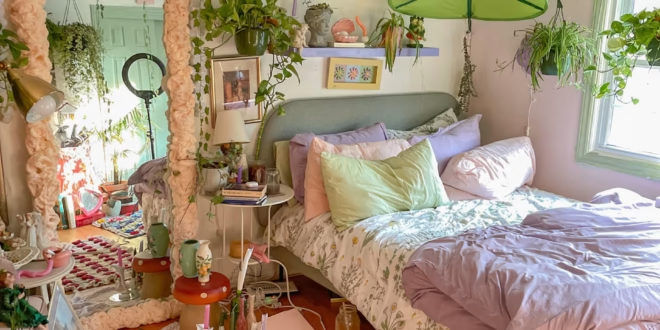
A Cottage Core Room offers a gentle escape from fast and busy modern life. Inspired by traditional countryside homes, this style combines soft colours, natural materials, floral patterns, vintage furniture, and handmade decorations. You do not need to live in an old cottage to enjoy the look. With thoughtful choices, any bedroom, apartment, or small living space can become warm, peaceful, and full of personal character.
What Is Cottagecore Style?
Cottagecore is inspired by a romantic view of rural life. It celebrates simple activities such as gardening, reading, baking, sewing, and making things by hand. In interior design, these ideas appear through rustic furniture, plants, cosy textiles, and meaningful objects. Architectural Digest describes cottagecore as a simpler and more sustainable way of living that feels closely connected to nature.
Choose Soft Colours
Colour creates the foundation of a Cottage Core Room. Warm white, cream, sage green, dusty rose, lavender, pale yellow, and muted blue are popular choices. Begin with one calm wall colour and add two supporting shades through bedding, curtains, rugs, and decorations. Earthy colours such as brown, terracotta, and forest green can add depth while maintaining the room’s peaceful countryside character.
Use Natural Materials
Natural materials make the room feel warm and welcoming. Choose wood, linen, cotton, wool, wicker, rattan, clay, and stone wherever possible. A wooden bedside table, linen curtains, wicker storage baskets, and a ceramic vase can introduce several textures without overwhelming the design. You do not need to remove every modern item; simply focus on the surfaces and objects that are most visible.
Add Vintage Furniture
Vintage furniture gives the room a sense of history. A metal bed, wooden dresser, carved mirror, writing desk, or painted cabinet can become a strong focal point. Look for affordable pieces in second-hand shops, local markets, or online marketplaces. Furniture does not need to match perfectly. Different pieces can still work together when they share similar wood tones, colours, shapes, or traditional details.
Layer the Bed
The bed is usually the main feature of a cottagecore bedroom. Start with cotton or linen sheets and add a comfortable duvet, quilt, or textured coverlet. Finish with a folded blanket and a few cushions. Floral prints are ideal, but gingham, narrow stripes, embroidery, and simple neutral fabrics also work well. Keep the arrangement comfortable and practical rather than covering the bed with too many pillows.
Bring in Florals
Flowers are one of the most recognisable cottagecore details. Use floral designs on bedding, curtains, wallpaper, cushions, or artwork. Choose one main pattern and support it with plain fabrics to keep the room balanced. Better Homes & Gardens recommends layering patterns and textures, while using floral wallpaper or murals as a focal point. Smaller prints feel traditional, while larger flowers can create a fresher appearance.
Create Warm Lighting
Lighting should feel soft rather than bright and clinical. During the day, lightweight cotton, linen, muslin, or lace curtains can provide privacy while allowing sunlight to enter. At night, use warm bedside lamps, fabric lampshades, or wall lights. Fairy lights and battery-powered LED candles can provide an extra glow. Keep real candles away from curtains, bedding, books, and other flammable decorations.
Bring Nature Indoors
Plants and flowers help a Cottage Core Room feel connected to the outdoors. Place a small vase of seasonal flowers beside the bed or arrange flowering branches in a ceramic container. Ivy, ferns, herbs, and trailing plants can soften shelves and furniture. If fresh plants are difficult to maintain, dried lavender, hydrangeas, wheat, or realistic artificial flowers offer practical alternatives with similar natural charm.
Decorate the Walls
Wall decorations can give the space personality without using valuable floor space. Botanical prints, countryside paintings, pressed flowers, family photographs, and embroidered art all suit the theme. Use wooden, brass, or painted frames for a collected appearance. Floral wallpaper can cover the whole room or create a feature wall behind the bed. Leave some open wall space so the arrangement does not appear crowded.
Make a Reading Corner
A quiet reading corner supports the slower lifestyle associated with cottagecore. Place a comfortable chair near a window and add a cushion, blanket, small table, and reading lamp. If the room is small, use one end of the bed, a window seat, or a floor cushion instead. Keep a basket nearby for favourite novels, magazines, gardening guides, cookbooks, or craft books.
Include Personal Details
The most inviting rooms contain objects that carry personal meaning. Display family photographs, inherited dishes, travel souvenirs, handmade pottery, or favourite books. Traditional crafts such as crochet, embroidery, knitting, and pressed-flower art add warmth and individuality. Everyday objects can also become decorations. Store jewellery in a ceramic dish, pens in an old cup, or sewing supplies inside a small wooden box.
Keep It Organised
Cottagecore interiors are often layered, but they should not become untidy. Leave walking areas open and avoid covering every shelf or table. Wicker baskets, vintage suitcases, fabric-covered boxes, and wooden cabinets provide attractive storage. Extra bedding can be stored under the bed. According to Homes & Gardens, reducing visible plastic and reusing older containers can help preserve the room’s traditional character.
Style a Small Room
A small Cottage Core Room needs only a few carefully chosen features. Pale walls, floral bedding, one vintage mirror, a warm lamp, and a healthy plant may be enough to establish the look. Use wall shelves, hooks, and tall bookcases to save floor space. Avoid placing detailed patterns on every surface because this can make a compact bedroom feel smaller and visually heavier.
Try Modern Cottagecore
Modern cottagecore combines traditional countryside details with a cleaner layout. Keep neutral walls and simple furniture, then add selected vintage accessories, botanical artwork, linen fabrics, and natural wood. This approach is useful in recently built homes because it adds warmth without making the room look artificially old. A few well-chosen pieces usually feel more natural than a large collection of themed decorations.
Decorate on a Budget
You can create a beautiful Cottage Core Room without buying everything at once. Begin with bedding, curtains, and cushions because fabrics can quickly change the atmosphere. Visit second-hand shops for mirrors, baskets, pottery, frames, lamps, and solid furniture. Affordable DIY ideas include framing pressed leaves, painting plant pots, sewing cushion covers, and turning clean glass jars into simple flower vases.
Avoid Common Mistakes
Avoid filling the room with unrelated vintage products simply because they look old. Too many colours, patterns, and small decorations can make the space feel confused. Choose a limited colour palette and give important objects room to stand out. Comfort should also remain a priority. Make sure the room provides enough storage, safe lighting, clear walking space, and easy access to frequently used items.
Final Thoughts
Creating a cottage-inspired interior is less about following strict rules and more about building a room that feels calm, personal, and comfortable. Combine gentle colours, natural materials, vintage pieces, warm lighting, plants, and handmade details at your own pace. When every object has a purpose or personal meaning, the finished space will feel naturally collected rather than staged, creating the dreamy retreat that defines cottagecore style.
Must Read: Neutral Bedroom Ideas: for a Calm and Cozy Space
FAQs
What makes a room cottagecore?
A cottagecore room combines natural materials, floral patterns, vintage furniture, warm lighting, plants, and handmade details. It should feel comfortable, personal, and gently connected to traditional countryside living.
What colours work best in a cottagecore room?
Cream, warm white, sage green, dusty pink, lavender, pale yellow, and muted blue work well. Darker shades such as forest green and brown can add depth.
Can I create this style in a small bedroom?
Yes. Use pale walls, floral bedding, one vintage mirror, warm lighting, and a small plant. Wall shelves and under-bed baskets will provide storage without crowding the room.
Is cottagecore décor expensive?
It does not have to be expensive. Second-hand furniture, dried flowers, vintage books, reused jars, handmade artwork, and simple fabric updates can create the look on a limited budget.
How can I keep a cottagecore room from looking cluttered?
Follow a limited colour palette and display only useful or meaningful objects. Use wicker baskets, wooden cabinets, and decorative boxes to keep everyday belongings organised.
