 Dream Mill Homes

Warm neutral paint colors have become a favorite choice for homeowners and interior designers alike. These shades offer the perfect balance between style and comfort, making any space feel inviting and timeless. Whether you’re renovating your home or simply refreshing a room, warm neutrals can transform your interiors without overwhelming them.
In this guide, we’ll explore what warm neutral colors are, why they are so popular, and how to choose the best ones for your home.
What Are Warm Neutral Paint Colors?
Warm neutral paint colors are shades that have yellow, red, or brown undertones. These undertones give the color a soft, cozy appearance compared to cooler shades that lean toward blue or gray.
Common warm neutrals include beige, cream, taupe, and warm whites. These colors are subtle and versatile, allowing them to blend easily with different décor styles and furniture choices.
Why Warm Neutral Paint Colors Are So Popular
One of the main reasons people choose warm neutrals is the comfort they bring to a space. Unlike bright or bold colors, warm neutrals create a calm environment that feels relaxing and welcoming.
Another reason is their timeless appeal. Trends in interior design change frequently, but warm neutrals remain a safe and stylish option year after year. They don’t go out of fashion and can easily adapt to new décor trends.Warm neutrals are also incredibly versatile. They work well in almost every room, from living rooms to kitchens and bedrooms. You can pair them with bold accents or keep things minimal—either way, they look great.
Types of Warm Neutral Paint Colors
Warm neutral colors come in a variety of shades, each offering a slightly different feel.
Warm whites are soft and creamy, making them perfect for creating a clean yet cozy look. They are ideal for smaller spaces because they reflect light and make rooms appear larger.
Beige tones are classic and comforting. They have been used in interior design for decades and continue to be a reliable choice for creating a warm environment.
Greige is a mix of gray and beige, offering the best of both worlds. It provides a modern look while still maintaining warmth, making it one of the most popular choices today.
Taupe shades are slightly deeper and richer. They add a touch of elegance and sophistication, especially in bedrooms or feature walls.
Earthy neutrals, such as soft browns and muted greens, are gaining popularity. These colors are inspired by nature and bring a grounded, organic feel to interiors.
Best Places to Use Warm Neutral Colors
Warm neutral paint colors can be used throughout the home, but their effect varies depending on the room.
In living rooms, warm neutrals create a welcoming space where family and guests feel comfortable. Shades like beige or greige work particularly well here.
Bedrooms benefit from softer tones like warm white or light taupe. These colors promote relaxation and help create a peaceful environment for rest.
In kitchens, warm whites and creamy tones are ideal. They make the space feel clean without being too harsh or sterile.
Bathrooms can also benefit from light warm neutrals, especially if the space is small. These shades help reflect light and make the room feel more open.
Hallways and entryways are perfect for neutral tones because they connect different parts of the house. Using warm neutrals ensures a smooth visual flow.
How to Choose the Right Warm Neutral Paint Color
Choosing the perfect shade involves more than just picking a color you like. You need to consider a few important factors.
Undertones play a crucial role. A color might look neutral at first glance, but its undertone can change how it appears in your space. Always check whether the shade leans more yellow, pink, or brown.
Lighting is another key factor. Natural and artificial light can significantly affect how a paint color looks. A shade that appears warm in the store might look completely different on your wall.
It’s always a good idea to test samples before making a final decision. Apply small patches on your wall and observe how they look at different times of the day.
Color Pairing Ideas
Warm neutral paint colors are easy to pair with other elements in your home.
They work beautifully with natural wood, enhancing the warmth and creating a cozy atmosphere. Adding black accents can provide contrast and give your space a modern edge.
You can also combine warm neutrals with soft greens or muted blues to create a balanced look. Metallic finishes like brass or bronze add a touch of elegance and luxury.
Common Mistakes to Avoid
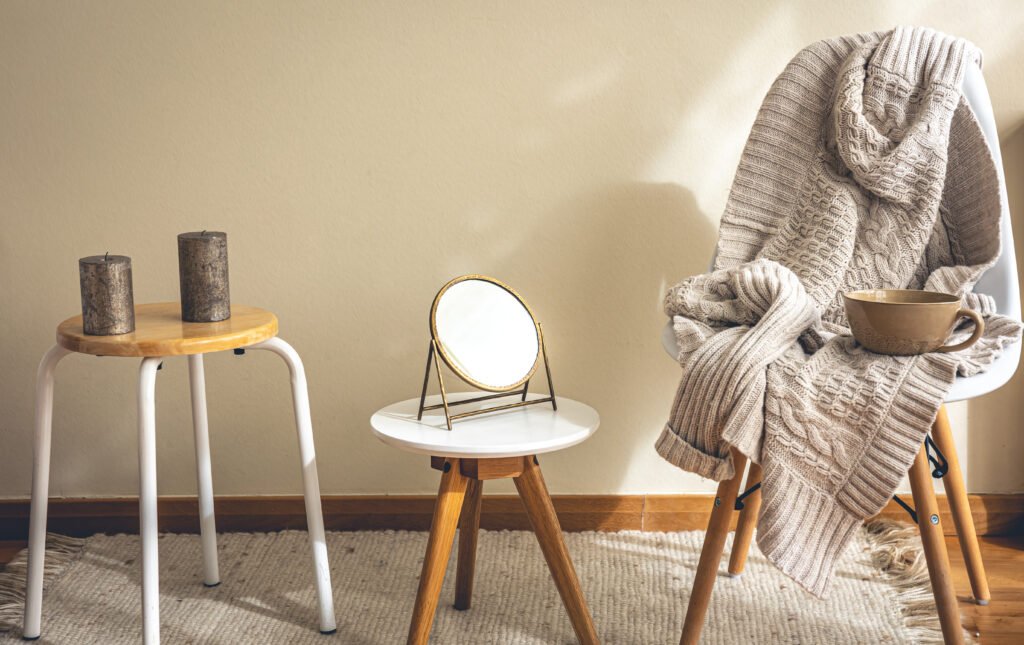
While warm neutrals are easy to work with, there are some common mistakes you should avoid.
One of the biggest mistakes is ignoring undertones. Choosing the wrong undertone can make your space look off or mismatched.
Another mistake is not testing paint samples. Lighting conditions can completely change how a color appears, so it’s important to see it in your actual space.
Using shades that are too dark in small rooms can make the space feel cramped. If you want a darker tone, balance it with lighter furniture or décor.
Finally, relying too heavily on plain beige can make your interiors look outdated. Try mixing in modern warm neutrals like greige or earthy tones for a fresh look.
Final Thoughts
Warm neutral paint colors are a perfect choice for anyone looking to create a cozy, stylish, and timeless home. Their versatility makes them suitable for any room, while their warmth adds comfort and character.
By understanding undertones, testing samples, and choosing the right shade for your space, you can achieve a look that feels both elegant and inviting. Whether you prefer soft whites, classic beiges, or modern greige tones, warm neutrals will always be a reliable option for beautiful interiors.
FAQs
A warm neutral is a color with yellow, red, or brown undertones that creates a cozy and inviting feel.
Yes, lighter warm neutrals can make small rooms feel bigger and brighter.
Absolutely. Shades like greige and earthy neutrals are perfect for modern interiors.
