 Dream Mill Homes
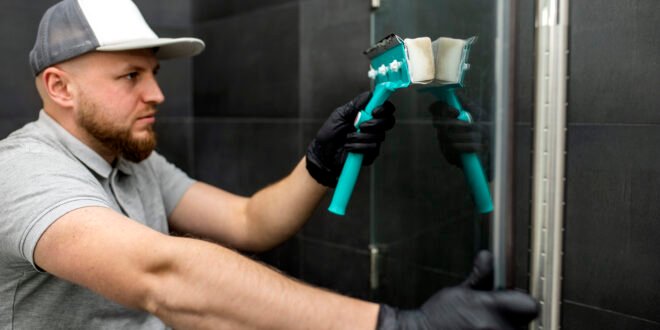
When it comes to building or renovating a bathroom, one of the most important yet often overlooked materials is grout. In a wet environment like a shower, grout plays a critical role in keeping tiles secure, preventing water damage, and maintaining hygiene. Among the different types available, epoxy grout has gained strong popularity due to its superior strength, waterproof qualities, and long-lasting performance.
This article explains everything you need to know about epoxy grout for showers, including how it works, its benefits, drawbacks, installation process, and maintenance tips.
What Is Epoxy Grout?
Epoxy grout is a high-performance grout made from a combination of epoxy resins and a hardener. Unlike traditional cement-based grout, it does not rely on water for curing. Instead, it chemically bonds to create a dense, non-porous material.
This unique composition makes epoxy grout highly resistant to water, stains, chemicals, and mold growth. Because of these properties, it is widely used in areas exposed to constant moisture—especially shower spaces, commercial kitchens, and swimming pools.
Why Epoxy Grout Is Ideal for Showers
Showers are constantly exposed to water, steam, soap, and cleaning products. Over time, traditional grout can absorb moisture, leading to discoloration, cracking, and mold growth. Epoxy grout solves many of these problems.
Here are the key reasons it is ideal for shower applications:
1. Waterproof Performance
Epoxy grout is virtually waterproof. It does not absorb moisture like cement grout, which helps prevent water from seeping behind tiles and causing structural damage.
2. Mold and Mildew Resistance
Bathrooms are a perfect environment for mold growth. Because epoxy grout is non-porous, it prevents mold and mildew from forming on the surface or inside the grout lines.
3. Long-Term Durability
Epoxy grout is extremely strong and resistant to cracking. Once cured, it can last for decades with minimal maintenance.
4. Stain Resistance
Soap scum, shampoo, and hard water stains are common in showers. Epoxy grout resists staining, making it easier to keep your shower clean and bright.
5. Chemical Resistance
Most household cleaners do not damage epoxy grout, which makes it safe to use strong cleaning agents when needed.
Advantages of Epoxy Grout for Shower Use
Beyond its basic waterproofing ability, epoxy grout offers several additional benefits that make it a premium choice:
Low Maintenance
Unlike cement grout that requires sealing, epoxy grout does not need regular sealing or reapplication of protective coatings.
Color Consistency
Epoxy grout maintains its color over time. It does not fade, discolor, or become patchy even after years of exposure to moisture.
Strong Bonding
It creates a very strong bond with tiles, reducing the risk of loose tiles over time.
Smooth Finish
Epoxy grout provides a smooth and polished look, which enhances the overall appearance of tiled showers.
Disadvantages of Epoxy Grout
While epoxy grout offers many benefits, it also has a few drawbacks that should be considered before installation:
1. Difficult Installation
Epoxy grout is more challenging to apply than traditional grout. It sets quickly, which requires skill and speed during installation.
2. Higher Cost
It is more expensive than cement-based grout, both in material cost and labor cost.
3. Limited Working Time
Once mixed, epoxy grout begins to harden quickly, leaving a short window for application.
4. Requires Professional Skill
For best results, epoxy grout is often installed by professionals rather than DIY users.
How Epoxy Grout Is Installed in a Shower
Installing epoxy grout requires careful preparation and precise application. Here is a simplified overview of the process:
Step 1: Surface Preparation
The tile surface must be clean, dry, and free of dust, oil, or debris. Proper spacing between tiles is also necessary.
Step 2: Mixing the Components
Epoxy grout comes in two or three parts, usually resin and hardener. These must be mixed thoroughly before use.
Step 3: Application
The grout is applied using a rubber float, pressing it firmly into the joints between tiles. It must be spread quickly and evenly.
Step 4: Cleaning Excess Grout
Because epoxy grout hardens fast, excess material must be cleaned off the tile surface immediately using a damp sponge.
Step 5: Final Curing
The grout typically takes 24 to 72 hours to fully cure, depending on the product and environment.
Maintenance Tips for Epoxy Grout in Showers
Although epoxy grout is low maintenance, proper care can extend its life even further:
- Clean regularly using mild bathroom cleaners
- Avoid abrasive scrubbing tools that may dull the surface
- Wipe down shower walls after use to reduce soap buildup
- Ensure proper ventilation in the bathroom to reduce humidity
- Inspect grout lines occasionally for any damage or wear
With basic care, epoxy grout can maintain its appearance and strength for many years.
Epoxy Grout vs Cement Grout in Showers
Understanding the difference between epoxy and cement grout helps in making the right choice.
Cement grout is cheaper and easier to apply, but it absorbs water and requires sealing. Over time, it may crack or develop mold in wet environments.
Epoxy grout, on the other hand, is waterproof, stain-resistant, and highly durable. While it costs more initially, it offers better long-term value in shower applications due to reduced maintenance and longer lifespan.
Is Epoxy Grout Worth It for Showers?
For homeowners looking for a long-lasting, low-maintenance solution, epoxy grout is definitely worth the investment. Although the upfront cost is higher, it reduces future repair and cleaning costs significantly.
It is especially beneficial for:
- Modern bathroom renovations
- Luxury shower installations
- High-moisture environments
- Homes in humid climates
If durability, hygiene, and appearance are priorities, epoxy grout is one of the best choices available.
Conclusion
Epoxy grout is a powerful and reliable solution for shower tile installations. Its waterproof nature, resistance to stains and mold, and long-term durability make it superior to traditional cement grout in wet environments. While it requires professional installation and a higher initial investment, its benefits far outweigh the drawbacks for most bathroom applications.
Choosing epoxy grout for your shower ensures a cleaner, stronger, and more beautiful finish that can last for decades with minimal maintenance.
FAQs
Epoxy grout is a strong, waterproof tile joint filler made from epoxy resins and a hardener. It is used in showers to prevent water leakage, mold growth, and staining between tiles.
Yes, epoxy grout is generally better for showers because it is waterproof, stain-resistant, and does not require sealing. Cement grout absorbs water and can develop mold over time.
Epoxy grout can last 10–20 years or more when properly installed and maintained. Its durability is much higher compared to traditional grout.
