 Dream Mill Homes
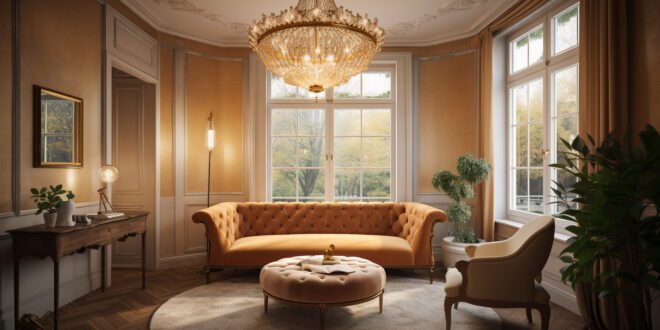
The concept of an “old money” living room has gained significant popularity in recent years, especially among homeowners and interior design enthusiasts who appreciate timeless elegance over fleeting trends. Rooted in tradition, refinement, and understated luxury, this design style reflects a sense of heritage and quiet wealth. Unlike modern flashy interiors, an old money living room focuses on quality, history, and subtle sophistication rather than ostentation.
What Defines an Old Money Living Room?
An old money living room is not about showing off wealth; it’s about expressing it quietly through carefully chosen pieces, classic materials, and a cohesive aesthetic. This style often draws inspiration from traditional European homes, historic estates, and generational family houses. The emphasis is on durability, craftsmanship, and a lived-in elegance that tells a story.
Instead of trendy furniture or bold, loud décor, you’ll find antique or vintage-inspired pieces, neutral color palettes, and an overall sense of calm and order. Everything feels intentional and refined, with a strong focus on comfort and longevity.
Color Palette: Soft, Muted, and Classic
The color scheme plays a crucial role in achieving the old money aesthetic. Think of soft neutrals like cream, beige, taupe, and warm whites, complemented by deeper tones such as forest green, navy blue, burgundy, and charcoal. These colors create a cozy yet sophisticated atmosphere that feels both welcoming and timeless.
Avoid overly bright or neon shades, as they can disrupt the calm and refined vibe. Instead, opt for muted tones that blend seamlessly together. Layering colors through fabrics, rugs, and accessories adds depth without overwhelming the space.
Furniture: Quality Over Quantity
Furniture in an old money living room is all about craftsmanship and durability. Pieces are often made from high-quality wood, such as mahogany, oak, or walnut, and feature classic silhouettes. Think Chesterfield sofas, wingback chairs, and sturdy coffee tables with intricate detailing.
Rather than filling the room with numerous items, focus on a few well-made pieces that stand the test of time. Upholstery is typically done in natural fabrics like linen, cotton, or velvet, often in neutral or rich tones.
Vintage and antique furniture is highly valued in this style. Even if you’re not sourcing genuine antiques, choosing pieces that have a traditional design or a slightly aged look can help achieve the desired aesthetic.
Textiles and Fabrics: Layered and Luxurious
An old money living room feels warm and inviting, largely due to its use of layered textiles. Rugs, curtains, cushions, and throws all contribute to the overall comfort and visual appeal.
Persian or Oriental-style rugs are a staple, adding both color and history to the room. Heavy drapes in linen or velvet enhance the sense of luxury while also providing functionality. Cushions in different textures—such as wool, silk, or embroidered fabrics—create depth and interest without appearing excessive.
The key is balance. Each textile should complement the others, contributing to a cohesive and harmonious look.
Décor: Subtle and Meaningful
Decor in an old money living room is never random. Every item has a purpose or a story. Instead of cluttering the space with trendy decorations, focus on a curated selection of meaningful pieces.
Bookshelves filled with classic literature, framed artwork, vintage lamps, and decorative objects like porcelain vases or brass accents are common. Family heirlooms or items that look like they’ve been passed down through generations add authenticity to the space.
Artwork is typically traditional—think landscapes, portraits, or still-life paintings in classic frames. Avoid overly abstract or modern art unless it blends seamlessly with the overall aesthetic.
Lighting: Warm and Inviting
Lighting in an old money living room is soft, warm, and layered. Instead of relying on a single overhead light, incorporate multiple light sources such as table lamps, floor lamps, and wall sconces.
Lamps with fabric shades help diffuse light gently, creating a cozy and intimate atmosphere. Chandeliers or vintage-style ceiling fixtures can add a touch of grandeur without being too flashy.
Natural light is also important. Large windows with elegant curtains allow sunlight to filter in, enhancing the room’s warmth and openness.
Architectural Details: The Foundation of Elegance
If possible, architectural elements can significantly elevate the old money aesthetic. Features like crown molding, wainscoting, built-in bookshelves, and fireplaces contribute to the room’s classic charm.
Even in modern homes, these elements can be added or mimicked to create a more traditional feel. A fireplace, in particular, often serves as the focal point of the living room, around which furniture is arranged.
The Importance of Symmetry and Balance
Old money interiors often emphasize symmetry and balance. Furniture is arranged in a way that feels orderly and harmonious, often centered around a focal point such as a fireplace or coffee table.
For example, a sofa may be flanked by matching armchairs, with identical lamps on either side. This creates a sense of stability and calm, reinforcing the overall elegance of the space.
Avoiding Common Mistakes
While creating an old money living room, it’s important to avoid certain pitfalls. Overdecorating is one of the most common mistakes. Too many accessories or overly ornate pieces can make the room feel cluttered and inauthentic.
Another mistake is focusing too much on appearance rather than quality. Cheap furniture designed to look “vintage” can undermine the entire aesthetic. It’s better to invest in fewer, high-quality items that truly capture the essence of the style.
Lastly, avoid making the space feel too rigid or formal. An old money living room should be elegant but also comfortable and livable.
Bringing It All Together
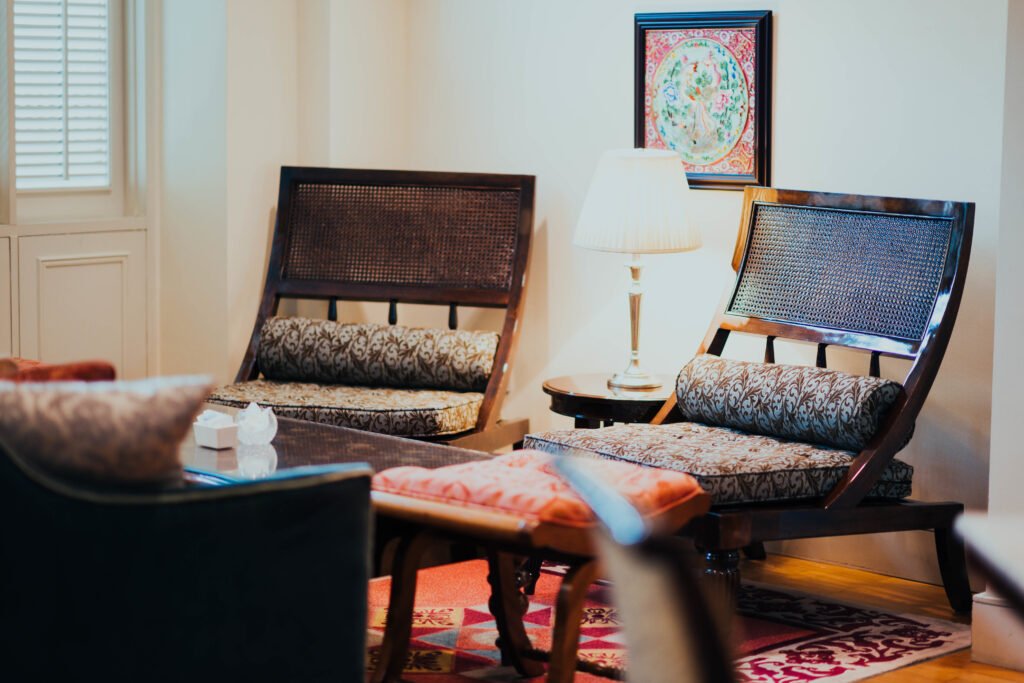
Designing an old money living room is about creating a space that feels timeless, refined, and effortlessly elegant. It’s not about following trends but about embracing classic design principles that have stood the test of time.
By focusing on quality materials, a cohesive color palette, meaningful décor, and a balanced layout, you can achieve a living room that exudes quiet luxury and sophistication. Whether you’re starting from scratch or updating your current space, incorporating elements of the old money aesthetic can transform your living room into a sanctuary of comfort and style.
In the end, the true essence of an old money living room lies in its authenticity. It should feel personal, lived-in, and rich in character—just like a home that has been cherished for generations.
FAQs
An old money living room is a classic interior design style that focuses on timeless elegance, high-quality materials, and understated luxury. It avoids flashy or trendy décor and instead emphasizes tradition, comfort, and refined taste.
The best colors are neutral and muted tones such as beige, cream, ivory, taupe, and soft grey. Deeper accent colors like navy blue, forest green, burgundy, and dark brown are also commonly used to add depth and sophistication.
Furniture in an old money living room is typically classic and high-quality. Popular choices include Chesterfield sofas, wingback chairs, wooden coffee tables, and antique-inspired pieces made from oak, walnut, or mahogany.
