 Dream Mill Homes
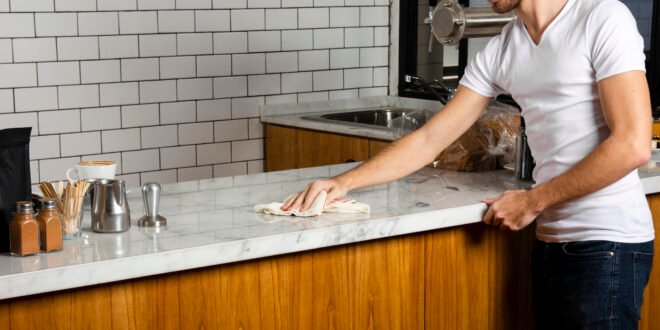
Marble is one of the most elegant and timeless materials used in homes today. From kitchen countertops and bathroom vanities to flooring and decorative accents, marble adds a luxurious touch to any space. However, maintaining its beauty requires proper care. Unlike other surfaces, marble is delicate and prone to stains, scratches, and etching if not cleaned correctly.
In this guide, you’ll learn how to clean marble surfaces safely, what products to use, what to avoid, and tips to keep your marble looking brand new for years.
Understanding Marble: Why It Needs Special Care
Marble is a natural stone composed mainly of calcium carbonate. This makes it porous and sensitive to acidic substances like lemon juice, vinegar, and harsh cleaners. Even water, if left sitting too long, can leave marks or dull the finish.
Because of this, regular cleaning isn’t just about removing dirt—it’s about protecting the surface from damage.
Daily Cleaning Routine for Marble
Keeping marble clean doesn’t require complicated steps. A simple daily routine can go a long way in preserving its shine.
Start by wiping the surface with a soft microfiber cloth to remove dust and loose debris. For deeper cleaning, use warm water mixed with a few drops of mild dish soap. Dip a soft cloth into the solution, wring it out well, and gently wipe the surface.
After cleaning, always dry the marble immediately with a clean, dry cloth. This prevents water spots and streaks from forming.
Consistency is key. Regular gentle cleaning prevents buildup and reduces the need for harsh treatments later.
Deep Cleaning Marble Surfaces
Sometimes, marble surfaces need more than just a quick wipe. For deeper cleaning, use a pH-neutral cleaner specifically designed for natural stone.
Apply the cleaner according to the instructions, usually by spraying it onto the surface and wiping with a soft cloth. Avoid scrubbing aggressively, as this can scratch the marble.
If you don’t have a specialized cleaner, a mild soap solution can still work for most situations. Just ensure it is non-acidic and gentle.
How to Remove Stains from Marble
Stains on marble can be tricky, but they are not impossible to remove. The method depends on the type of stain.
For organic stains like coffee, tea, or food, you can create a paste using baking soda and water. Apply the paste over the stain, cover it with plastic wrap, and leave it for 24 hours. After that, gently wipe it away and rinse the area.
Oil-based stains, such as grease or cosmetics, may require a paste made with baking soda and a small amount of water or acetone. This helps draw the oil out of the marble.
Always test any cleaning method on a small, hidden area first to ensure it doesn’t damage the surface.
Dealing with Etching and Dull Spots
Etching occurs when acidic substances come into contact with marble, leaving dull marks or spots. Unfortunately, etching is not the same as a stain—it is actual surface damage.
For minor etching, you can use a marble polishing powder to restore the shine. Follow the instructions carefully and use a soft cloth or polishing pad.
For deeper etching, professional restoration may be required. Avoid DIY fixes that involve harsh abrasives, as they can worsen the damage.
What to Avoid When Cleaning Marble
Knowing what not to use is just as important as knowing what works.
Never use acidic cleaners like vinegar, lemon juice, or bleach. These substances can etch the marble and cause permanent damage.
Avoid abrasive scrubbers, steel wool, or rough brushes. These can scratch the surface and ruin its smooth finish.
Stay away from generic bathroom or kitchen cleaners unless they are labeled safe for natural stone.
Also, don’t let spills sit for too long. Marble absorbs liquids quickly, which can lead to staining.
Preventive Measures to Protect Marble
Prevention is always better than repair. There are several simple ways to protect marble surfaces in your home.
Use coasters under glasses and cups to prevent water rings and stains. Place mats or trivets under hot dishes in the kitchen to avoid heat damage.
In high-traffic areas like floors, use rugs or runners to reduce wear and tear. Make sure to clean spills immediately to prevent them from soaking into the marble.
Sealing your marble is another important step. A good-quality sealant creates a protective barrier that reduces the risk of stains. Depending on usage, marble should be resealed every 6 to 12 months.
Cleaning Marble Floors
Marble floors require slightly different care due to their exposure to dirt and foot traffic.
Start by sweeping or vacuuming regularly to remove dust and grit. Small particles can scratch the surface if left unattended.
When mopping, use a damp mop with a mild cleaning solution. Avoid soaking the floor, as excess water can seep into the stone.
Dry the floor immediately after mopping to prevent streaks and water spots.
Eco-Friendly Marble Cleaning Tips
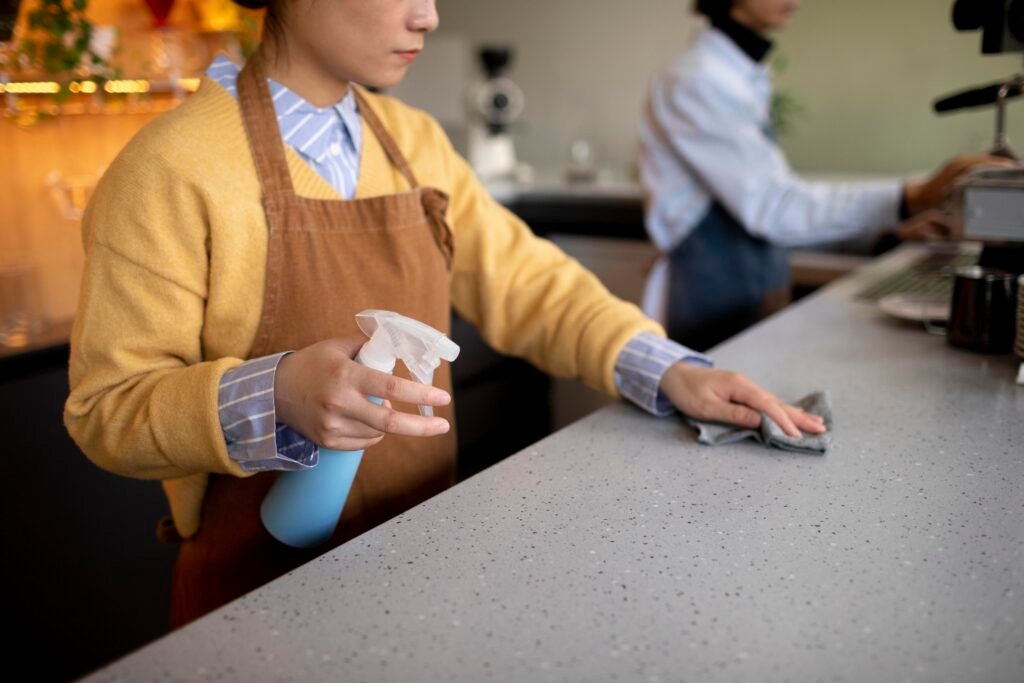
If you prefer natural cleaning methods, you can still care for marble safely.
Use a mixture of warm water and mild soap for everyday cleaning. Baking soda can be used occasionally for stain removal, but it should not be used frequently as it can be slightly abrasive.
Always remember that “natural” doesn’t always mean safe for marble. Ingredients like vinegar and lemon juice, though eco-friendly, are harmful to stone surfaces.
Final Thoughts
Marble surfaces are a beautiful investment, but they require proper care to maintain their elegance. With the right cleaning methods and preventive measures, you can keep your marble looking polished and flawless.
The key is to use gentle, non-acidic cleaners, avoid harsh tools, and clean spills immediately. Regular maintenance, combined with occasional deep cleaning and sealing, will ensure your marble surfaces stay stunning for years to come.
By following these simple yet effective tips, you can enjoy the timeless beauty of marble without worrying about damage or wear.
FAQs
The best cleaner for marble is a pH-neutral cleaner specifically designed for natural stone. You can also use a mild dish soap mixed with warm water for everyday cleaning.
No, vinegar should never be used on marble. It is acidic and can cause etching, which leaves dull marks on the surface.
You can use a baking soda paste for most stains. Apply it to the stain, cover it, and leave it for 24 hours before wiping it off gently.
